

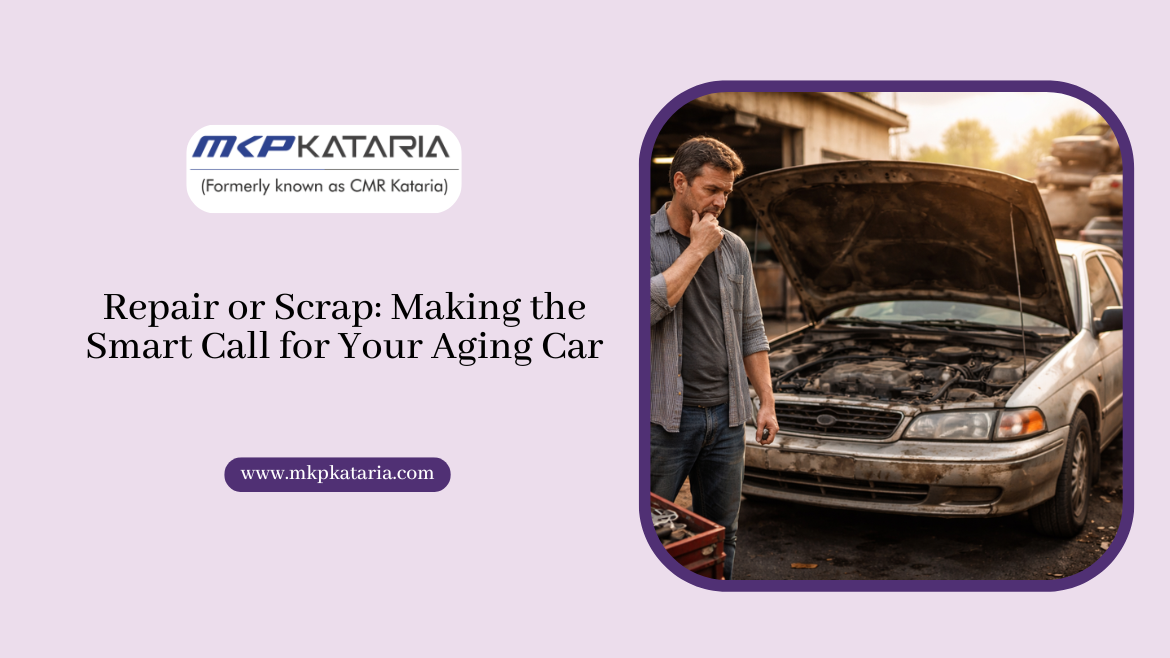
In Ahmedabad, owning a car isn’t just about getting around it signals your social position. But the reality is cars lose value fast. The moment you leave the dealership, the price starts falling. After ten or fifteen years, the question becomes: should you invest in repairs or go to the city’s used car scrap yards?
Knowing the reason behind this drop helps. Whether repair makes sense or throwing it away will matter for owners in 2026. That decision changes when market numbers shrink.
Depreciation in Action
Depreciation is just the difference between what you paid and what your car’s actually worth now. All sorts of things make this gap bigger: aging parts, new models coming out, higher mileage, shifting demand, and how beat-up your car looks.
Engines, transmissions, suspensions—all those moving parts—wear down no matter how carefully you maintain them. Every mile adds a bit more strain. Even if you’re diligent, things just don’t last forever. By 2026, older models start feeling pretty out of date, especially as electric cars and smart safety tech become standard. Cars missing automatic braking or lane-keeping feel ancient. Today, people care more about smart systems inside their vehicles than ever. Without them, even dependable cars lose their appeal fast. The technology keeps moving, even if drivers aren’t ready to keep up.
Then there’s the firm limits:
India’s updated scrapping rules say personal cars older than twenty-five years, and commercial ones past fifteen, have to pass a roadworthiness test. If they fail, you lose the chance to trade it in—no value left. At that point, junkyards in Ahmedabad are your only option.
The Repair Dilemma:
At first fixing up an old car looks like a way of saving money, however it could be a very lucrative trap if you keep patching it just because you’ve already spent so much. It’s the classic sunk cost trap. However, sometimes it is sensible to repair the item.
If the issue you are dealing with is minor for example, a dead battery or wearing out brake pads by all means, have it fixed. Inexpensive repairs of this nature often merely extend the life of the vehicle. Besides, if you only use it to go to the grocery store or run errands once a week, there really is no reason to part with it. It is not accumulating miles, so why not keep it?
Then there is the emotional attachment. Maybe the car has been in your family forever, and each dent has a story. If the car is still fairly good looking and the engine is running well, having it restored by a knowledgeable shop can be a very good investment. At that stage, it is not simply a matter of money, it is about holding on to a part of your history.
The Reality of Scarp:
The Scrap Reality of Repairing Things Becomes Risky
A machine once useful may grow expensive over time. That turning moment? Often named the break-even mark. Repairs rise while value drops – this could be when handing it over feels right. At that stage, MKP Kataria in Ahmedabad, dealing with old cars meant for scraps, fit the need. Heavy ownership often hits when bills climb above value. When upkeep drains funds, look around for nearby buyers instead. Fading worth moves quicker than color bleaching in sunlight. Try this path only after spending passes returns
Eventually, machines lose their edge. A once steady companion now demands more than it gives – repair after repair piles up like unpaid bills. Maybe emotion keeps you tied, yet numbers don’t lie. When breakdowns outweigh memories, stepping away feels less like loss, more like relief.
Here’s when you should really think about selling your car to the kabadi market in Ahmedabad:
- The 35% Rule: If a repair bill is more than 35% of the car’s current market value, you’re better off scrapping it. There’s no sense in patching up something that’s already heading downhill fast.
- Parts Are Hard to Find: When your model gets old and manufacturers quit making parts, tracking them down turns into a headache—and the price shoots up. Repairs just get more painful and expensive.
- Terrible Mileage: Old engines just guzzle gas. Any savings you get with a newer, fuel-efficient car can make up a big chunk of your monthly EMI. It’s not just about the environment—it’s your bank account.
- Fitness Test Jitters: Once your car reaches 15 years for commercial or 20 years for private registration, the government fitness test looms. Getting an old car up to the required standard can cost more than what the car’s even worth.
In short, sometimes it’s smarter to move on—letting go means making room for something that doesn’t break the bank every month.
Finding Your Way Through Ahmedabad’s Car Scrap Yard
Fresh changes now shape the stretch along Sarkhej-Gandhinagar Highway, where repair spots and service centers keep multiplying. From start to finish, MKP Kataria walks people through a process – clean out pollutants first, then take apart machines, finally send off pieces properly; harmful liquids like old battery juice or greasy motor fluid never leak into soil because they are handled with care. Though growth speeds ahead, attention stays fixed on safer trash routes.
This is how it unfolds once you arrive:
- Iron aluminum copper – dealers check what metals your car holds before they decide price. Weight sets the starting point most times. These days in Ahmedabad, scrap iron trades between 32 and 48 each kilo. Each material brings a different value on the scale.
- When the engine turns over without a hitch, there’s room to ask for more. A working battery? That counts too. Fancy rims on the thing? Even small perks add up fast. Metal alone won’t get you far – what’s inside matters most.
Out here, real buyers won’t just take your vehicle and pay without steps. Instead, they smash the frame ID, making sure it can’t be reused. Then comes a slip called Certificate of Destruction – that piece matters. Without it, the RTO won’t clear your name from the records. Got the document? Only then does the system let go.
Individuals might not believe it, yet scrap yards in Ahmedabad have grown surprisingly organized over time.
Conclusion:
The thing is, deciding whether to fix your car or stop using it goes beyond just costs. It touches your daily calm and how you feel about the whole situation. If you keep showing up at the shop, your money suffers but so does your emotional balance.
Turning in your old car at car kabadi market in Ahmedabad helps clean the air, removes the clutter from your driveway, and gives you room to drive something better. For now, this option works well for most people who want a simpler life.