

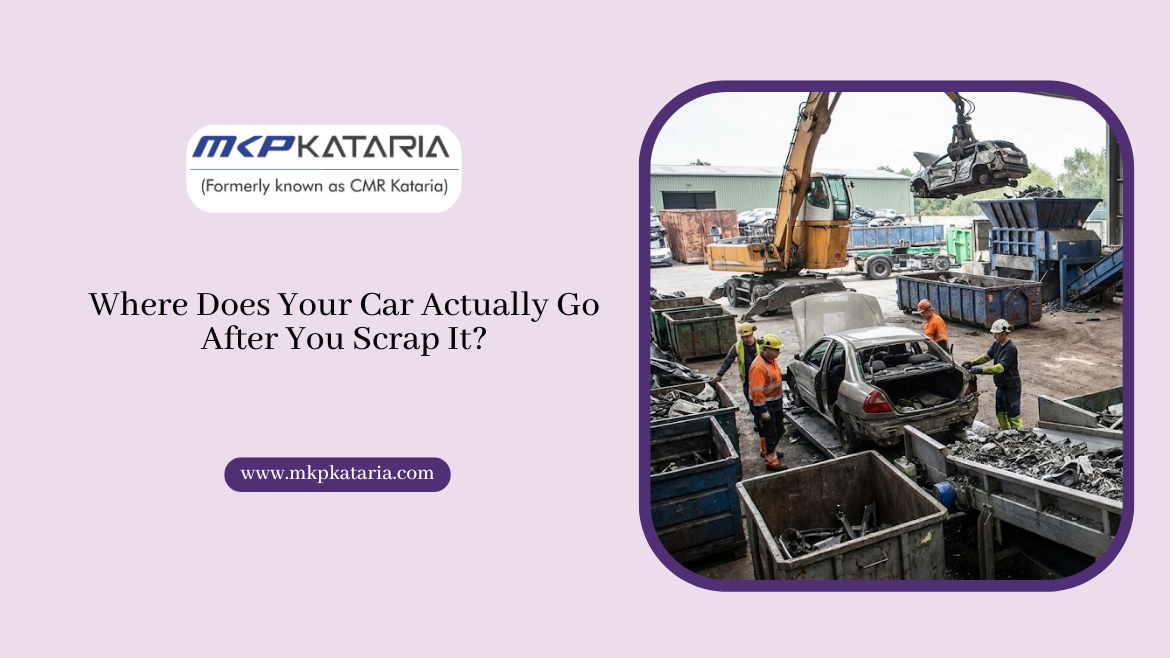
Most people imagine one thing when they hear the word scrap. A big machine, one loud crash, and the car is gone. Finished. But that is not how it really works. When a vehicle reaches car scrap companies in India, it enters a process that is far more detailed than people expect. Your old car does not just get smashed and dumped. It gets taken apart slowly. Some parts are saved. Some materials are cleaned. Some things are melted and reused. What looks like the end of the road is actually the start of a different journey. Let us walk through what truly happens behind those scrap yard gates.
Every Fluid Is Removed Before Anything Else
Before metal is touched, the car is drained. Slowly and carefully. Engine oil, brake oil, coolant, fuel, transmission fluid, everything comes out. These liquids are not harmless. If they spill into soil, they can damage the ground and water nearby. So scrap yards collect them in separate containers. Even the air conditioning gas is removed using proper tools. This part of the process does not look dramatic, but it is one of the most important steps. Without this, recycling would create pollution instead of reducing it.
Useful Parts Are Taken Out by Hand
Now comes the part that feels almost personal. Workers begin removing parts that still have life left in them. Seats, mirrors, headlights, batteries, radiators, even small electronic pieces. Some of these parts are cleaned and tested. If they still work properly, they are sold in the used parts market. Many vehicle owners actually prefer second hand parts because they cost less. So your old car may quietly help another car stay on the road. That thought feels strange, but it happens every day in scrap yards.
Batteries and Tyres Take a Different Route
Batteries are handled separately because they contain chemicals and heavy metals. They are removed early and sent to special recycling units. Lead from old batteries can be melted and reused to make new ones. That saves a lot of energy compared to mining fresh material. Tyres also do not stay with the metal body. Some tyres that are still strong are reused. Others are shredded into small rubber pieces. That rubber may end up in road surfaces or playground flooring. Even something as simple as a tyre gets a second purpose.
Plastic and Glass Are Not Ignored
Modern cars contain more plastic than people realize. Bumpers, dashboards, panels, many parts are plastic based. After shredding, plastic fragments are separated and cleaned. Some are melted and shaped into new products. Others are used in industries that need recycled plastic material. Glass from windows is crushed and processed too. It may be used in construction materials. Not every small piece can be recovered, but recycling technology improves every year. The aim remains steady. Reduce landfill waste and reuse whatever can be reused.
Why This Process Matters More Than You Think
Scrapping a car properly does more than free space in your garage. It reduces pollution. It reduces mining. It saves energy. When fluids are removed safely, soil and water stay protected. When metal is recycled, fewer natural resources are disturbed. When parts are reused, manufacturing demand decreases slightly. One car may feel small, but thousands of cars recycled properly make a big difference. That is why structured recycling systems are important. Without them, vehicles would simply pile up as waste instead of becoming valuable material again.
The Final Step Is Official Closure
One thing many people do not think about is this. Scrapping a car is not only about metal and machines. It is also about records. After dismantling is complete, the registration of the vehicle has to be cancelled properly. This step protects the previous owner from future problems. Imagine if the number plate somehow got reused illegally. That is why formal cancellation matters. Once this is done, the car is no longer recognised as a vehicle in official systems. It stops existing as something that can be driven or sold
Conclusion
When a car reaches the scrap stage, it is easy to assume the story ends there. In reality, that is only the visible ending. Behind the gates of a scrap yard, a detailed process begins. Parts are removed with care. Fluids are drained safely. Metals are sorted and melted. Plastics and glass are given another use. Even the vehicle records are closed properly to avoid misuse. Nothing happens randomly. Step by step, the old car is broken down into resources. It stops being a vehicle, but it does not stop being useful.